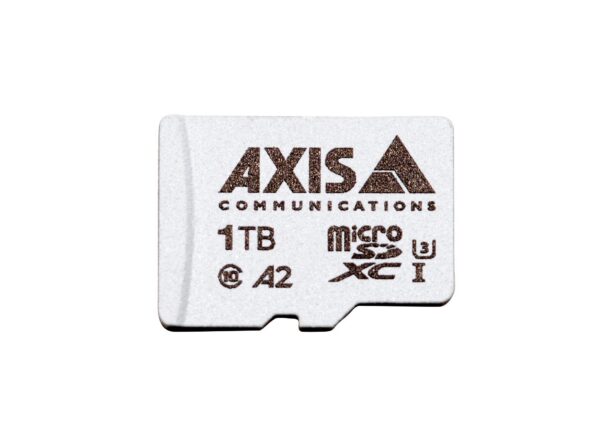
Edge Storage
Record and retain footage at the camera itself — evidence stays intact when networks fail, and single points of failure are engineered out.

JD Security is a systems integrator, not a reseller. Since 1984, we have designed, engineered and deployed security systems for enterprises across Australia and New Zealand — selecting technology on merit, integrating it properly and standing behind the result.
This page maps the technologies that make up a modern security stack. Each tile below links to a deeper technical guide. If you already know what you need, go straight there. If you are weighing an architecture decision, the overview further down sets out how the layers fit together — and where they fail when treated separately.

Record and retain footage at the camera itself — evidence stays intact when networks fail, and single points of failure are engineered out.
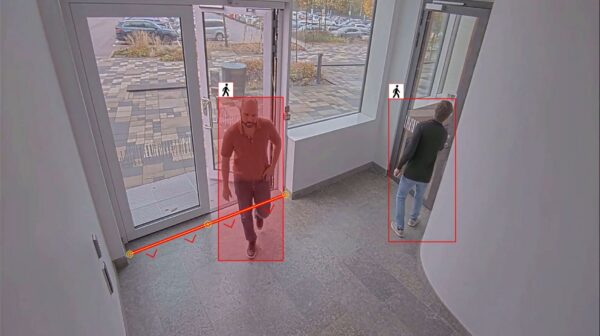
Turn live video into operational data. Detection, classification and counting that cut false alarms and direct attention where it matters.

Harden networked security systems with device authentication, certificate management, firmware control and network segmentation.

Extend on-premises video retention into the cloud without changing recording workflows, hardware or day-to-day operations.
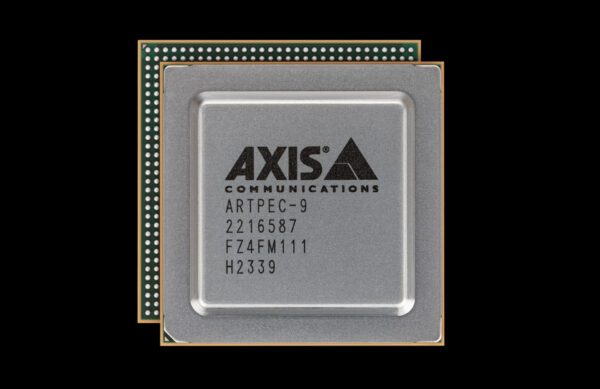
Neural-network detection that distinguishes people, vehicles and behaviour in complex scenes — fewer false alarms, more accurate alerts.
A security technology stack is the set of integrated layers that make up an enterprise security system — video surveillance, access control, analytics, storage, and cyber security. Treating them as a single architecture, rather than as separate products, determines reliability, evidence quality, and response times.
Usually, yes. Standards-based hardware and open platforms allow existing cameras, controllers and cabling to be retained where they still meet the requirement. JD Security assesses what can stay, what must change and why, before recommending anything — replacement is an engineering decision, not a default.
It depends on retention requirements, bandwidth, data sovereignty obligations and how footage is used. Most enterprise deployments are hybrid: edge storage for resilience, on-premises servers for primary retention, and cloud for extended archives. The right mix is a design outcome, not a product choice.
Every networked camera, controller and server is an endpoint on your network. Hardened configurations, certificate management, network segmentation and firmware currency are part of system design and ongoing maintenance — the security system should never be the weakest device fleet on the network.
Video analytics is the broad layer: detection, classification, counting and rule-based alerts. Deep learning refers to the neural network models behind modern analytics — better at distinguishing people, vehicles, and behaviour in complex scenes than earlier rule-based approaches. Deep learning is the how; analytics is the what.
Yes. JD Security operates across Australia and New Zealand, with offices in Sydney, Melbourne, Brisbane, Adelaide, Perth, Auckland, Christchurch, Mudgee and Dubbo. Systems are designed, commissioned and supported locally, with 24/7 monitoring available.
Choosing security solutions can be complex. Book a call with our experts and we’ll guide you step by step, helping you select the right products and services to protect your business as it grows.
Get in touch with our team to discuss your requirements. Fill in the form below and a member of our sales team will be in touch within 24 hours.
By submitting this request, you have read and agree to our Privacy Policy
Thank you for your submission